


Eating earlier—both breakfast and dinner—might be a key to maintaining a healthy weight.
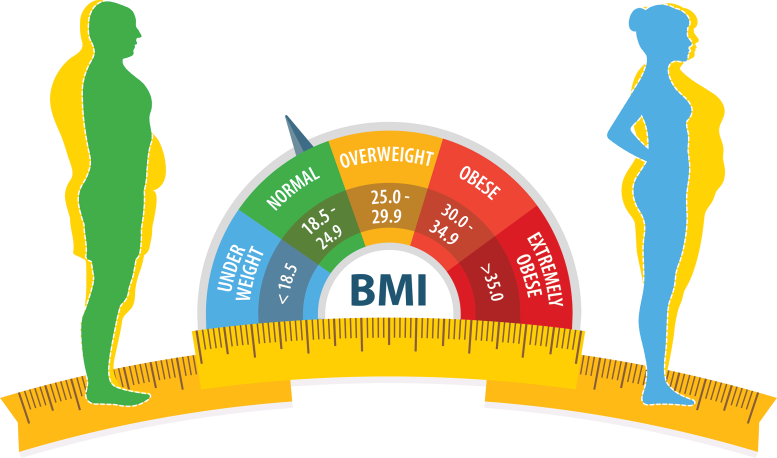
A five-year study of over 7,000 middle-aged participants found that those who had a longer overnight fast and started their day with an early breakfast generally had lower BMIs.
Timing Matters More Than You Think
Keeping your weight in check isn’t just about what you eat—it may also be about when you eat. A research study suggests that two daily habits are linked to a healthier body weight over time: eating breakfast early and extending your overnight fast. These findings come from research published in the International Journal of Behavioral Nutrition and Physical Activity, led by the Barcelona Institute for Global Health (ISGlobal), with support from the “la Caixa” Foundation.
The study tracked more than 7,000 adults between the ages of 40 and 65, all part of the GCAT | Genomes for Life project. Back in 2018, participants answered detailed questions about their diet, lifestyle, meal times, and body measurements. Five years later, over 3,000 of them returned for a follow-up to provide updated health information and measurements.

Early Meals Align With Body Clocks
“Our results, in line with other recent studies, suggest that extending the overnight fast could help maintain a healthy weight if accompanied by an early dinner and an early breakfast. We think this may be because eating earlier in the day is more in line with circadian rhythms and allows for better calorie burning and appetite regulation, which can help maintain a healthy weight. However, it is too soon to draw definitive conclusions, so recommendations will have to wait for more robust evidence,” explains Luciana Pons-Muzzo, researcher at ISGlobal at the time of the study and currently at IESE Business School.
When the researchers looked at the data by gender, they found notable differences. On average, women had lower BMIs than men and were more likely to follow the Mediterranean diet. They also tended to drink less alcohol and take on more household or caregiving responsibilities. However, women also reported poorer mental health overall.
Late Eaters and Intermittent Fasting Red Flags
The team used a statistical technique called ‘cluster analysis‘ to group individuals with similar characteristics. From the results of this analysis, the authors were struck by a small group of men whose first meal of the day was after 14:00 and who, on average, fasted for 17 hours. Compared to the rest, this group of men tended to have less healthy lifestyles (more likely to smoke, drink alcohol, less physical activity, less adherence to the Mediterranean diet), and had lower levels of educational attainment and were more likely to be unemployed. These patterns were not observed in any group of women.
Skipping Breakfast? Not So Effective
“There are different ways of practicing what is known as ‘intermittent fasting’ and our study relates to one of them, which is overnight fasting. What we observed in a subgroup of men who do intermittent fasting by skipping breakfast is that this practice has no effect on body weight. Other intervention studies in participants with obesity have shown that this tactic is no more effective than reducing calorie intake in reducing body weight in the long term,” says Camille Lassale, ISGlobal researcher and senior co-author of the study.
Chrononutrition: A New Frontier
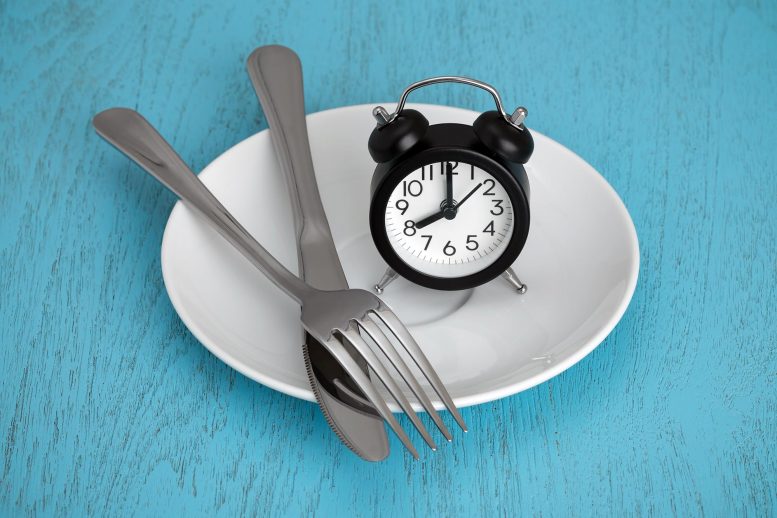
“Our research is part of an emerging field of research known as ‘chrononutrition’, which focuses not only on analyzing what we eat, but also the times of day and the number of times we eat,” says Anna Palomar-Cros, researcher at ISGlobal at the time of the study and currently at IDIAP Jordi Gol. “At the basis of this research is the knowledge that unusual food intake patterns can conflict with the circadian system, the set of internal clocks that regulate the cycles of night and day and the physiological processes that must accompany them,” she adds.
Broader Health Benefits of Early Eating
This study provides continuity to a line of ISGlobal research on chrononutrition, which in recent years has published two other studies with results in the same direction. In these studies, it was observed that eating dinner and breakfast early was associated, respectively, with a lower risk of cardiovascular disease and type 2 diabetes.
Reference: “Sex-specific chrono-nutritional patterns and association with body weight in a general population in Spain (GCAT study)” by Luciana Pons-Muzzo, Rafael de Cid, Mireia Obón-Santacana, Kurt Straif, Kyriaki Papantoniou, Isabel Santonja, Manolis Kogevinas, Anna Palomar-Cros and Camille Lassale, 12 September 2024, International Journal of Behavioral Nutrition and Physical Activity.
DOI: 10.1186/s12966-024-01639-x
A version of this article was originally published in October 2024.
Never miss a breakthrough: Join the SciTechDaily newsletter.
link
About the Author