
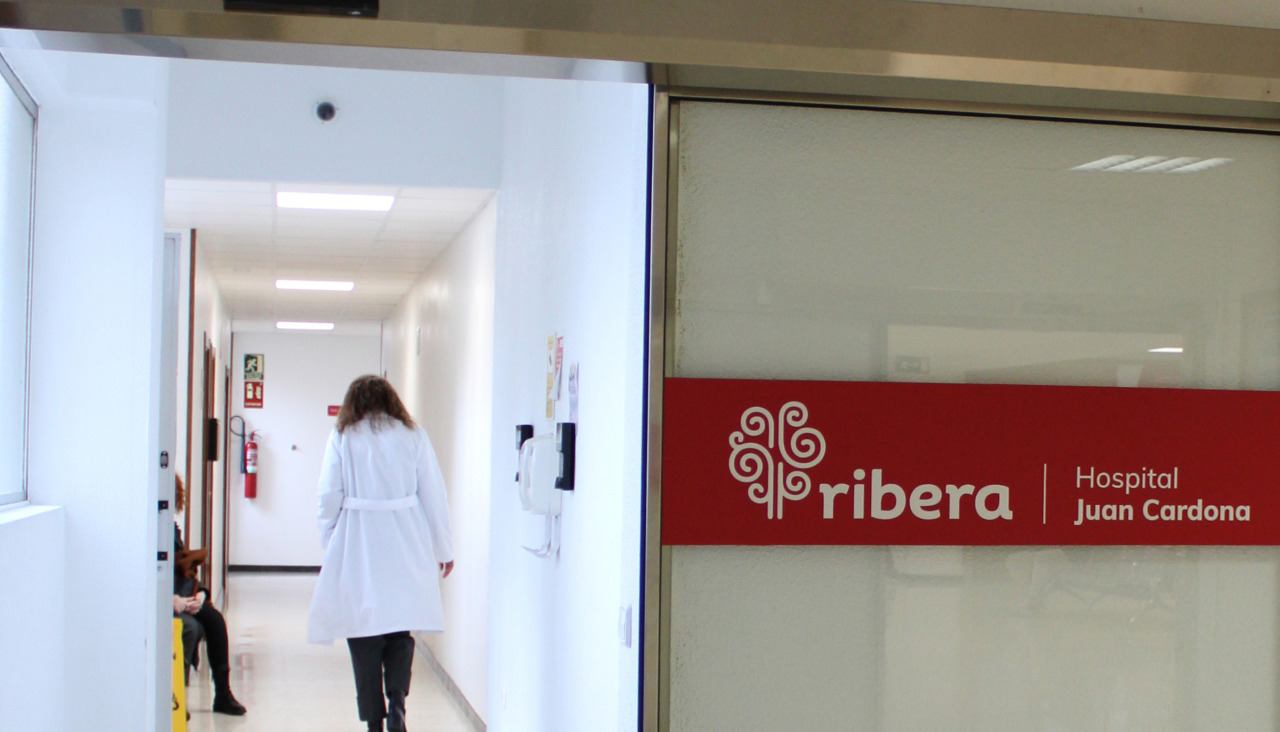
News published by El Diario de Ferrol
Medical check-ups consist of a series of diagnostic tests in order to determine the patient’s health status and propose strategies to improve their condition and quality of life. They are an excellent tool to control risk factors, prevent diseases and help diagnose them in early stages, when they are more treatable and can have better results. They are especially indicated when starting to practice a demanding physical activity or sport.
El Ribera Juan Cardona Hospital It offers different types of medical check-ups, three types of general check-ups and three other single-topic check-ups, which can also be adapted to the personal circumstances of each patient.
Within the general check-ups, the center has a basic check-up, During the initial consultation, the assigned specialist will conduct a questionnaire about the patient’s personal and family medical history, as well as a physical examination (measuring weight, height, pulse, temperature, and blood pressure; basic neurological examination; otoscopy; and cardiac and pulmonary auscultation), abdominal examination, and examination of the extremities. In addition, a series of tests will be performed, according to the specialist’s medical criteria, which may include: blood tests, complete blood count, liver function tests, kidney function tests, lipid profile, glucose levels, electrocardiogram, and PSA (in men over 50 years of age).
Other more comprehensive general check-up It adds other tests depending on the needs, such as ultrasound, spirometry, hearing assessment, ophthalmological consultation, cytology, ergometry, and even a low-radiation chest CT scan.
And lastly, the premium checkup, that It would be a more in-depth study with more specialties involved and more specific tests based on the results of those previously carried out.
Moreover, single-issue checkups are cardiovascular’s most emblematic landmarks, the pulmonary and the urologicalwith a special focus on diseases related to these areas.
The possibility of carrying out a specific check-up, and that the content is adapted and directed to the specific patient, makes it possible to avoid unnecessary tests and to assess what is really relevant in each case.
The patient also saves trips to the hospital because appointments are coordinated, and are not complicated by separate visits to different specialists.
Recommendations
The recommendations for getting health checkups are different. in adulthood, between the ages of 20 and 39Regular physical examinations every 1-3 years are recommended, which may include blood pressure measurements, body mass index (BMI), and assessment of the risk of chronic diseases such as diabetes. For women, this would include gynecological examinations and reproductive health assessments. In addition, screening for sexually transmitted infections (STIs) would be added for those at higher risk.
At middle adulthood, between 40 and 64 years old, It would be advisable to have a medical check-up every year or every two years, which may include blood tests for cholesterol, fasting glucose, and other tests to detect chronic diseases such as hypertension, diabetes, and cancer. Women also have regular mammograms and osteoporosis screenings after menopause, and men have colonoscopies or other colorectal cancer screenings starting at age 50.
Y for older ages, 65 and over, Medical check-ups should be annual, with emphasis on the detection and management of chronic diseases, as well as the assessment of cognitive function, review of recommended vaccinations (mainly flu and pneumonia) and prostate cancer screening tests in men.
It is important to note that these are only general guidelines and specific recommendations may vary based on individual medical history, risk factors, and local medical guidelines. It is always best to consult with a physician for specific guidance on appropriate medical checkups for each person.
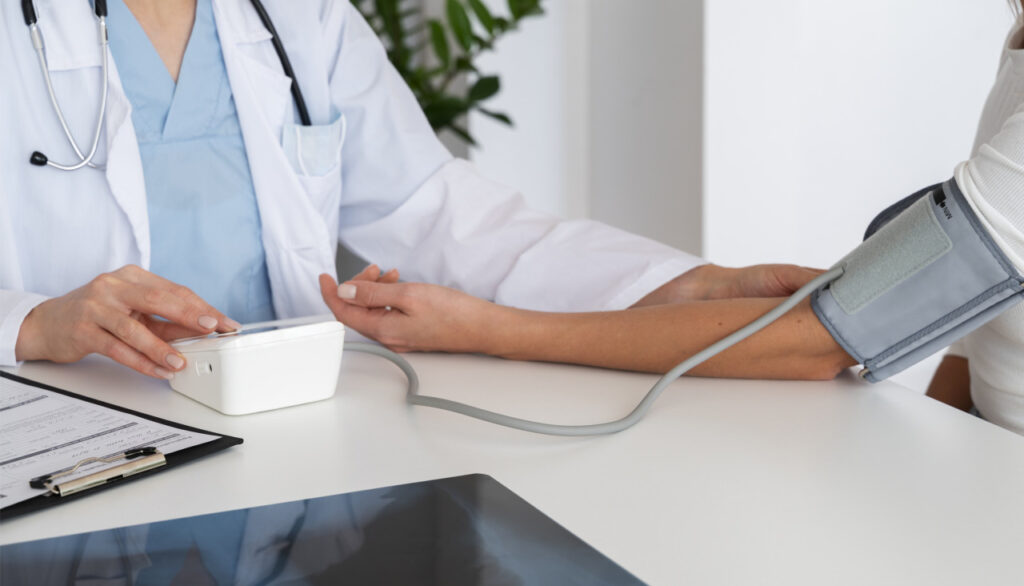
Benefits of medical checkups:
- Early detection of diseases: Medical checkups can help detect diseases in their early stages, when they are more treatable and have better outcomes. This includes chronic diseases such as diabetes, high blood pressure, and cancer.
- Disease prevention: Doctors can provide guidance on healthy lifestyle habits, such as a balanced diet, regular exercise, abstaining from tobacco, and moderate alcohol consumption, which can help prevent chronic diseases and promote good health.
- Risk factor management: Medical check-ups allow for the evaluation of individual risk factors, such as high cholesterol, obesity, high blood pressure, and family history of disease, and enable steps to be taken to control or reduce them.
- Health monitoring: Regular check-ups allow health to be monitored over time and detect changes that could indicate the need for medical interventions or changes in treatment.
- Promoting general well-being: In addition to detecting diseases, medical checkups can help promote overall well-being by providing opportunities to discuss health concerns, receive lifestyle advice, and establish ongoing relationships with health professionals.
link
About the Author